

Bard IVC Filter brands, all of which are currently being litigated. Litigation allegations include minimal pre-market testing, poor design, lack of warnings, and failure rates higher than average. While some of the filters are market for permanent use, the FDA has recommended that filters be removed as soon as the danger passes. The Bard models being litigated are:
Permanent IVC filters have been used for decades with few complications. Since 2003, retrievable/temporary IVC filters have been gaining popularity. Unbeknownst to many of the patients installed with these models, there have been many more complications with the temporary retrievable filters as compared to the permanent ones.
Complications for the retrievable IVC filters include:
The purpose of using a retrievable IVC filter is so that it can be removed once it is no longer needed. The FDA issued a safety statement in May 2014 stating that patients may face an increased risk of complications with IVC filters the longer they remain inserted. The FDA advised doctors that the ideal time for removal is between 29 days and 54 days after implantation. Unfortunately, the retrieval process can cause complications such as device fracture.
Doctors known as “interventional radiologists” insert IVC filters using various wires and a catheter. From a capsule loaded by the filter manufacturer, the doctor pushes the filter to the implantation site. The covering catheter is slowly pulled back and the filter is released, hopefully, to spring open and lodge into the blood vessel.
A doctor’s technique must follow the implantation instructions. Some filter deployment systems should not be twisted or retracted in certain ways. However, if the filter has tangled legs due to poor design or packaging, there is little a skilled doctor can do.
A review of medical records, x-rays, and the venogram (a live X-ray with contrast material injected into the blood vessel) helps investigate the cause of the filter failure. A law firm experienced in medical malpractice and product liability cases, and their hired independent medical experts, can do this. Our firm is proud to offer boutique representation for our clients, investing adequate resources into building strong cases with leading experts within their respective fields.
For a complimentary consultation, please contact our office to speak to an associate and have your case reviewed by a managing parter. Our firm operates on a contingency basis, so legal fees are covered by a portion of final settlments, not as out-of-pockets costs to clients.
Newly inserted IVC filters can have crossed, tangled and overlapping legs & arms (also known has limbs, struts and tines). The filter does not expand and instead dangerously migrates to the renal arteries, pulmonary arteries, the right atrium, tricuspid valve, heart, kidney and liver. This requires extra surgeries known as “percutaneous” (through the vein) and “open removal” (surgery through the blood vessel). This is clearly a defect which has been included in various litigations.
While no one can undo permanent damage done by an injury, a lawsuit can help the victim and their family recover losses and receive the medical treatment they deserve in the future. Our skilled New York attorneys are dedicated to investigating the cause of these injuries and doing whatever is necessary to make sure the offending products are kept away from innocent people.
If you or someone you know has suffered from complications of an IVC filter, contact Rheingold Giuffra Ruffo Plotkin & Hellman LLP today to explore your legal options.
Read more about information and potential defects of Cook IVC Filters HERE.
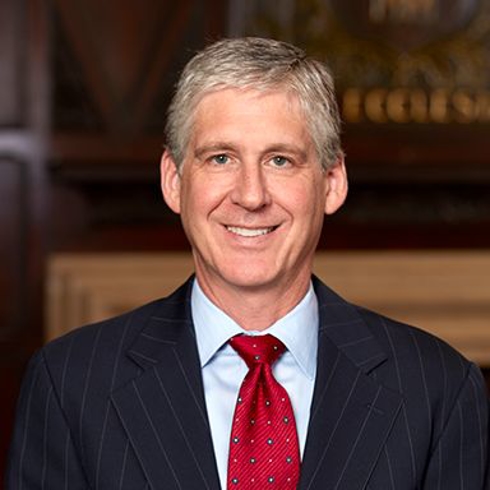
David B. Rheingold is a nationally recognized trial attorney and managing partner whose practice is devoted exclusively to complex drug, medical device, and toxic exposure litigation. For more than 30 years, he has represented individuals harmed by dangerous products, playing a leading role in high-profile cases involving Paragard IUDs, Camp Lejeune groundwater contamination, defective hernia mesh, IVC filters, Johnson & Johnson talc, and Roundup cancer claims, as well as landmark mass tort settlements including DePuy and Stryker hip implants, Benicar, and NuvaRing. Known for his hands-on approach, David works closely with medical and scientific experts to build strong, individualized cases, is admitted in New York, New Jersey, and Virginia, and has been repeatedly recognized by Super Lawyers and The National Trial Lawyers for his leadership in mass tort and product liability litigation.